The New Jersey real estate market in 2026 is moving into a new era of stability, offering a more balanced environment for both buyers and sellers. While the state remains a premium residential hub, the extreme volatility of previous years has cooled, with median single family home prices now reaching approximately $550,000. With a 3.5% value increase and a slight rise in inventory, buyers finally have more breathing room to negotiate, while sellers must prioritize precision pricing to capture selective demand. Whether you are eyeing suburban hotspots like Marlboro or transit friendly Metuchen, understanding these shifting indicators is the key to a successful transaction in today’s high value market.

1. Current Market Indicators, The 2026 Shift
The overarching theme for 2026 is stabilization. Although sellers still maintain a structural advantage due to a historical supply deficit, the market is no longer defined by extreme seller dominance.
Median Sales Price and Value Growth
- Median Home Value.
The median sales price for single family homes in New Jersey has reached approximately $550,000. - Annual Appreciation.
Data from Zillow indicates a steady 3.5% increase in home values over the past year. - Sustainable Growth.
This 3.5% growth rate reflects a cooling from the double digit surges of 2021–2023, signaling a healthier long term investment climate.
Inventory Levels and Market Velocity
- Supply Trends.
Inventory has seen a slight increase, providing more choices, though it remains “tight” by historical standards. - Days on Market (DOM).
Homes are staying on the market longer, averaging 50 to 55 days in high demand zones. - Negotiation Power.
This increased duration on the market provides buyers with critical decision making time and enhanced negotiation power.
2. Key Market Data Comparison (2025 vs 2026)
To understand the current trajectory, a comparison of key metrics reveals the “soft landing” the New Jersey market is experiencing.
| Market Metric | 2025 Performance | 2026 Current Status | Impact on Strategy |
| Median Sales Price | $531,000 | $550,000 | Higher entry point; steady equity |
| Inventory Supply | Extremely Low | Slightly Increasing | More options for selective buyers |
| Average DOM | 20 to 30 Days | 50 to 55 Days | Reduced pressure for bidding wars |
| Market Climate | Extreme Seller’s Market | Transitioning/Balanced | More leverage for buyers |
3. Regional Hotspots and High Demand Locations
While the state as a whole is stabilizing, certain “micro markets” continue to show exceptional resilience due to infrastructure and lifestyle factors.
Suburban Monmouth County (Marlboro)
- Educational Excellence.
Towns like Marlboro remain highly sought after primarily due to top tier school districts. - Value Retention.
Homes in these premium school zones are staying on the market for the average 50 to 55 days but are maintaining their high price points.
Transit Focused Hubs (Metuchen)
- The Commuter Advantage.
Metuchen continues to be a hotspot because of its transit focused development and direct access to major employment centers. - High Demand.
These areas attract professionals who are being pushed from rental markets toward ownership due to rising lease costs.
4. Analysis of Property Types, Single Family vs Multi Unit
The 2026 data shows a distinct divergence in how different property types are performing across the state.
- Single Family Homes.
Demand remains exceptionally strong as families prioritize space and stability. - Townhouses and Condos.
This sector has experienced a 8.7% decrease in closed sales. - Buyer Selectivity.
The pullback in the condo market indicates that 2026 buyers are becoming more selective, favoring traditional homes over denser living options.
5. Strategic Guidance for Market Participants
Operating in a balanced market requires a departure from the “speed at all costs” tactics of previous years.
Advice for 2026 Buyers
- Utilize the DOM.
Use the 50 to 55 day average to perform deeper due diligence. - Negotiate Terms.
With inventory rising, you are in a stronger position to ask for repairs or closing cost credits. - Monitor Rental Costs.
If you are currently renting, the sustained high costs of New Jersey rentals may make the 3.5% home appreciation rate a better financial path.
Advice for 2026 Sellers
- Precision Pricing.
Buyers are no longer engaging in high paced bidding wars. Overpricing your home in 2026 will lead to it sitting stagnant on the market. - Focus on “Premium” Features.
Highlighting school district quality and transit proximity is essential for a quick sale in a selective market. - Be Flexible.
Expect more selective buyers who will demand a higher standard of home condition than in previous frenzied years.
New Jersey County Level Real Estate Market Trends, A 2026 Analysis
As the New Jersey market stabilizes into a more balanced environment, performance varies significantly by county. Each region reacts differently to inventory shifts and local demand. Based on the latest data from reliable sources. here is the breakdown of the 2026 real estate landscape across the Garden State.
Atlantic County
Atlantic County is experiencing a notable inventory recovery in 2026, offering more options for coastal buyers. The market remains heavily influenced by the secondary home and vacation rental sectors. With a median price point slightly below the state average, it serves as a strategic entry for investors looking to capitalize on high seasonal demand.
Bergen County
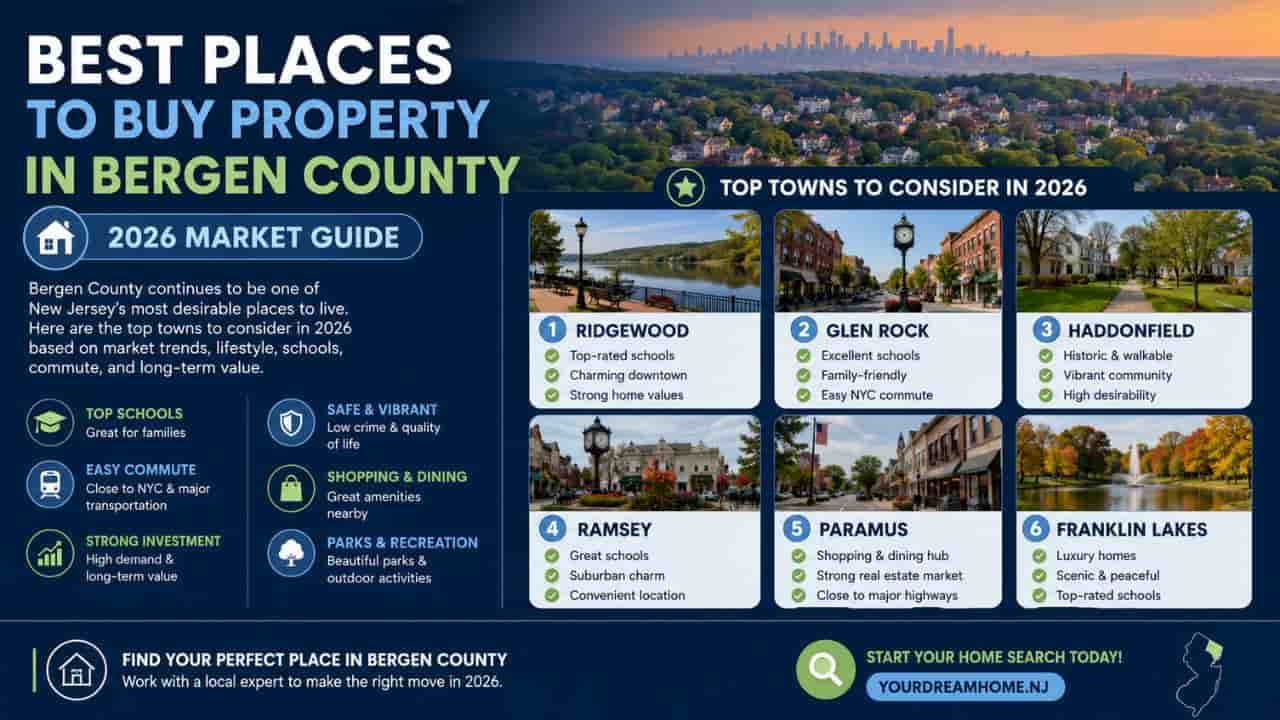
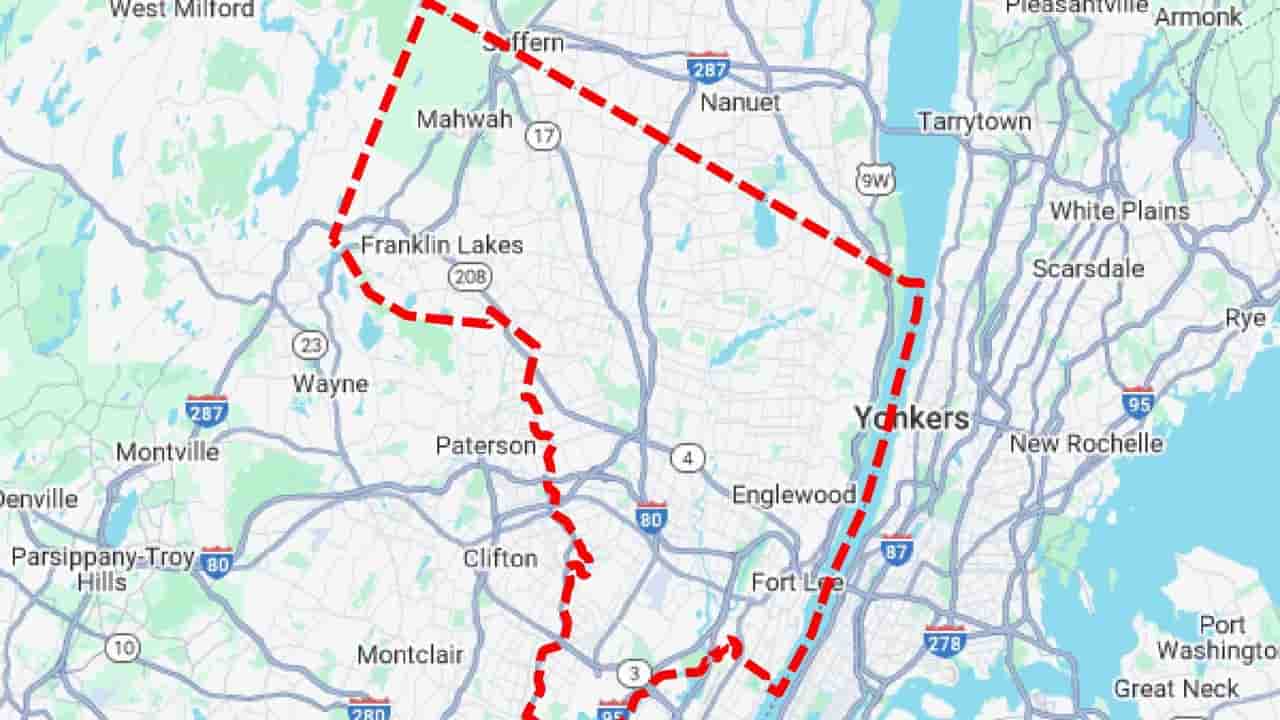
As a premier NYC adjacent hub, Bergen County maintains its reputation for high property values and elite demand. While prices are at a premium, the average days on market (DOM) has stretched to approximately 50 days, allowing for more thorough buyer inspections. It remains a top tier choice for families prioritizing luxury suburban living.
Burlington County
Burlington County offers a balanced mix of suburban developments and rural landscapes, attracting a diverse range of 2026 buyers. Home values here are appreciating at a steady 3.5%, mirroring the broader state trend. The market is currently categorized as “stable,” providing a predictable environment for both first time buyers and retirees.
Camden County
Camden County is witnessing significant urban revitalization, drawing younger professionals seeking value near Philadelphia. The 2026 data shows that single family homes are moving faster here than the state average. Investment in local infrastructure has made this county a hotspot for long term equity growth and rental property stability.
Cape May County
The Cape May luxury market remains largely insulated from national economic fluctuations. Inventory for high end shorefront properties is exceptionally tight, keeping prices firm despite a state wide increase in overall listings. It remains a “seller’s stronghold,” where unique coastal assets often command prices well above the state median.
Cumberland County
Cumberland County serves as New Jersey’s most accessible entry point in 2026 for budget conscious buyers. While it lacks the density of northern counties, it offers significant land value and a slower pace of life. Statistics show a steady demand for single family residences as remote workers seek lower cost of living areas.
Essex County
Essex County continues to thrive in transit oriented towns, though it has felt the 8.7% dip in townhouse and condo sales more acutely than other regions. Buyers are aggressively pivoting toward detached homes in quiet neighborhoods. Demand remains fueled by the county’s diverse cultural offerings and proximity to major employment centers.
Gloucester County
In 2026, Gloucester County is a standout for new construction and suburban expansion. It is currently a “balanced market,” where buyers are successfully negotiating on home repairs and closing credits. The availability of newer inventory at competitive price points makes it a primary target for growing families.
Hudson County
Hudson County’s urban market is adapting to a “post frenzy” era with a focus on luxury rentals and high end units. While the condo market has seen a decrease in closed sales, the rental demand remains record breaking. It is a high velocity market where transit proximity to Manhattan continues to dictate property value.
Hunterdon County
Hunterdon County remains a “low turnover” region where homeowners tend to stay for the long term. This limited supply keeps price appreciation consistent, even as buyer demand softens slightly in 2026. It is highly sought after by those seeking acreage and a “country chic” lifestyle within commuting distance.
Mercer County
Mercer County, home to Princeton, remains one of the state’s most intellectually and economically stable markets. The 2026 data indicates that properties near major universities and research hubs are retaining value at a higher rate than the state average. It offers a sophisticated suburban market with highly resilient property values.
Middlesex County
Middlesex is a performance leader in 2026, particularly in hub towns like Metuchen. The county benefits from a surge of buyers moving out of rental markets to escape rising lease costs. Single family home inventory remains lower than the state average here, leading to competitive but professional closing processes.
Monmouth County
Monmouth County, specifically towns like Marlboro, remains the gold standard for school district driven demand. Properties here stay on the market for the standard 50 to 55 days, but they maintain high price stability. The blend of coastal proximity and elite education makes it a top tier 2026 investment location.
Morris County
Morris County continues to be a “premium” market with a focus on high quality suburban estates. Statistics show that while overall NJ inventory is rising, Morris County supply remains restricted, favoring sellers. It is a resilient market where buyers prioritize safety, community, and well maintained infrastructure over low entry prices.
Ocean County
Ocean County is benefiting from a demographic shift toward permanent residency in shore communities. The 2026 trend shows active retirees and remote professionals keeping the median sales price firm. It remains a versatile market, offering everything from affordable senior living to multi million dollar waterfront estates.
Passaic County
Passaic County offers a diverse real estate landscape, from the urban density of Paterson to the scenic Highlands. The market is currently seeing a “cooling” phase, where the average DOM has increased, giving buyers much needed time for due diligence. It is an excellent region for finding value add investment opportunities.
Salem County
Salem County remains New Jersey’s hidden gem for rural affordability in 2026. It provides the maximum square footage for the dollar, making it ideal for large families or agricultural interests. The market is slow paced but steady, with minimal price volatility compared to the state’s more urbanized corridors.
Somerset County
Somerset County is experiencing a “soft landing” in 2026, with property values growing at a sustainable 3%. It remains a top choice for corporate executives and professionals. The increase in active listings provides buyers with the best selection of homes seen in the county over the last four years.
Sussex County
Sussex County is seeing increased demand as “lifestyle” becomes a primary driver for 2026 home purchases. Buyers are drawn to its natural beauty and outdoor recreation. While price growth is moderate, the rental market for vacation cabins and primary residences remains surprisingly strong throughout the year.
Union County
Union County’s market is defined by its superior rail connectivity and suburban charm. While the state wide dip in multi unit sales is evident here, single family homes in transit towns are still seeing multiple offers within the first month. It remains a highly competitive and high value region for 2026 commuters.
Warren County
Warren County is positioned for long term growth as infrastructure improvements make it more accessible. It offers a peaceful, rural suburban lifestyle with significantly lower property taxes than its eastern neighbors. Current data suggests it is a “growth” market, perfect for buyers looking for equity appreciation over the next decade.
Conclusion
The New Jersey market in 2026 is no longer a wild west of bidding wars and overnight price hikes. It has matured into a high value, premium residential environment that rewards patience and strategic planning. For buyers, the increased inventory and negotiation power mark a welcome shift. For sellers, the key to success lies in correct pricing and acknowledging that the “frenzies” of the early 2020s have subsided into a more professional, balanced marketplace.
FAQs
Is 2026 a good time to buy a house in New Jersey?
Yes, for those seeking a more predictable environment. While home prices remain at a premium, the transition toward a balanced market means buyers finally have more negotiation leverage and increased inventory compared to the previous three years.
What is the median home price in New Jersey as of May 2026?
The median sales price for a single family home in New Jersey has reached approximately $550,000. This reflects a steady, sustainable growth rate of 3.5% over the past twelve months.
Why are homes staying on the market longer in 2026?
Currently, homes average 50 to 55 days on the market. This shift is due to increased buyer selectivity and higher mortgage rates, which have moved the market away from the frantic bidding wars seen in previous cycles.
Are bidding wars still common in popular towns like Marlboro?
While demand remains high in premium areas like Marlboro due to excellent school districts, the “frenzy” has subsided. Buyers are now more likely to perform due diligence and negotiate rather than entering sight unseen bidding wars.
Which property types are seeing the most growth?
Single family homes continue to be the top priority for residents. Conversely, the condo and townhouse sector has seen an 8.7% decrease in closed sales, indicating a shift in buyer preference toward detached residential properties.
How do New Jersey rental costs affect the 2026 housing market?
Sustained high rental costs in transit focused hubs like Metuchen are a major driver for the purchase market. Many long term tenants are choosing to buy single family homes to lock in housing costs and build equity through the state’s 3.5% appreciation rate.
Is the New Jersey housing market expected to crash soon?
There are no indicators of a market crash in 2026. Instead, data points toward a “soft landing” or a transition into a balanced and sustainable state where supply and demand are reaching a healthier equilibrium.
What is the biggest mistake New Jersey sellers make in today’s market?
The most significant error is overpricing based on 2021–2023 trends. In 2026, buyers are highly selective; if a property is not priced accurately for its condition and location, it risks sitting stagnant on the market for well over the 55 day average.