
Gloucester County New Jersey Property Search
Search properties in Gloucester County by name, parcel ID, or address (like 78th St E). View ownership records, property assessments, and tax rates in seconds.
New Jersey County Property Search
| Parcel Number | Owner Name | Property Location | Street Address | City & State | ZIP Code | County | Municipality / City | Property Class | Property Use | Land Value | Improvement Value | Total Assessed Value | Last Year Property Tax | Lot Size (Acres) | Year Built | Building Description | Last Sale Price | Last Deed Date | Last Record Update |
|---|

The property assessments in Gloucester County are conducted by local municipal Tax Assessors under the oversight of the Gloucester County Board of Taxation and the NJ Division of Taxation. The county includes total 127,159 parcels, 173,379 matched buildings, 147,566 1st match addresses, and 147,566 secondary-address parcels, with standardized zoning across all 24 municipalities, ensuring accurate valuations, fair taxation, and consistent property record management.
Gloucester County ZIP Codes & Cities
Search your city or ZIP below to find Gloucester County areas instantly.
Gloucester County New Jersey Property Overview
Gloucester County’s property market includes approximately 96,990 residential and 4,049 commercial properties. The average single-family home is about 50 years old with roughly 1,930 sq ft of living space. In 2026, the county recorded 529 residential sales, following 3,830 sales in 2025. About 51.46% of homes are equity-rich, while only 0.9% are seriously underwater. The effective property tax rate is around 1.95%, and there were 115 foreclosure filings reported in 2026, reflecting overall stable property ownership trends in the county.
Residential Properties
96,990
Commercial Properties
4,049
Avg. Home Age Single Family
50 Years
Avg. Square Feet Single Family
1,930
Residential Sales 2026
529 YTD
Homes Seriously Underwater
0.9%
Residential Sales 2025
3,830
Equity Rich Homes percentage
51.46%
Effective 2025 Property Tax
1.95%
Total Foreclosure Filings 2026
115 YTD
Nearby Counties
Gloucester County, New Jersey is bordered by several nearby counties in the South Jersey region. These include Camden County to the northeast, Burlington County to the east, Atlantic County to the southeast, and Salem County to the southwest, forming its main neighboring county boundaries.
Popular Cities
Gloucester County, New Jersey features vibrant communities like Glassboro, Williamstown, and Monroe Township, each offering a unique lifestyle and growth potential. Glassboro is a lively college town with Rowan University, cultural events, and a strong sense of community, attracting young families and professionals. Williamstown blends suburban living with local charm, parks, and recreational opportunities, making it popular among families seeking a quieter lifestyle. Monroe Township combines rural landscapes with growing residential neighborhoods, offering both natural beauty and modern amenities. These areas are increasingly popular for homeowners and investors alike, reflecting Gloucester County’s diverse culture and promising real estate opportunities in the coming years.
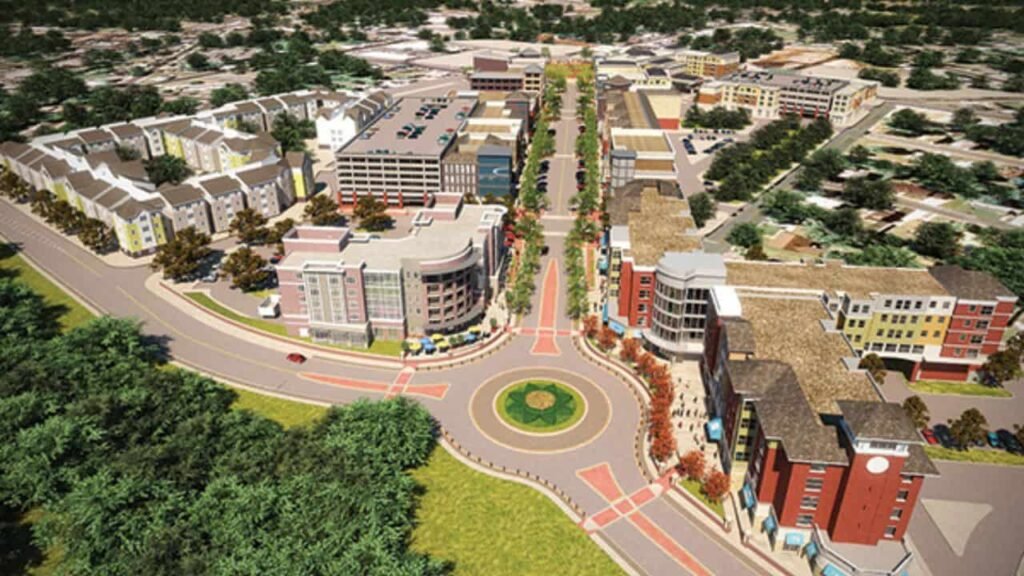
6,029 properties
Glassboro city
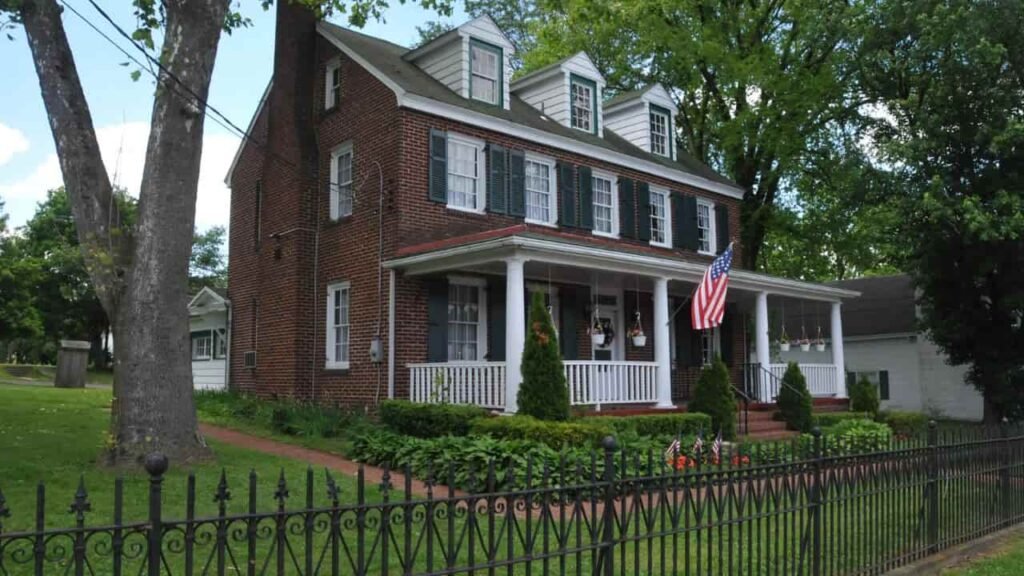
13,366 properties
Williamstown city
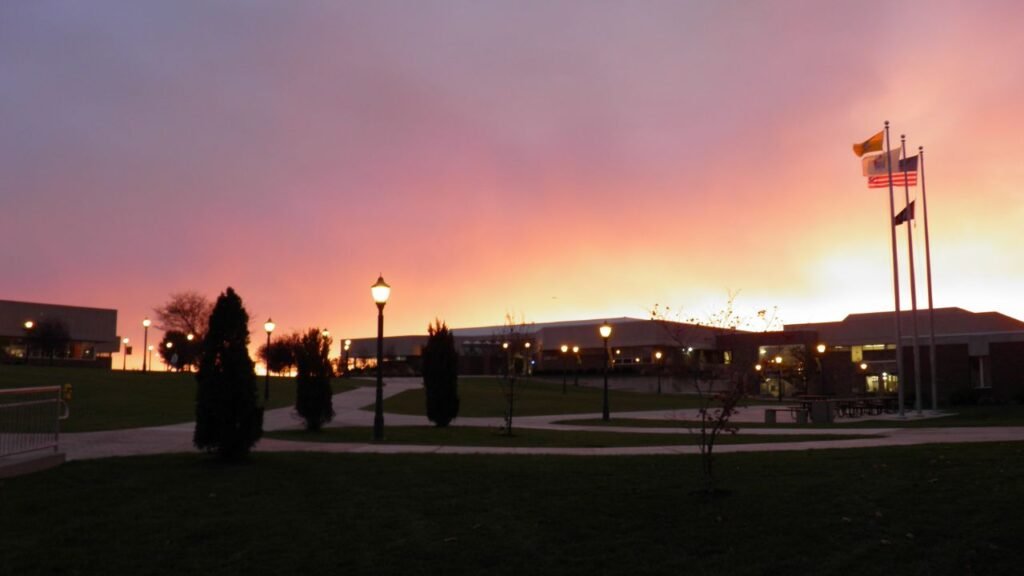
1,341 properties
Woodbury city
How To Search Property In Gloucester County New Jersey
By Owner Name
Using our Gloucester County property search tool, quickly lookup properties by owner name or address and instantly view detailed ownership, neighborhood, and property insights.
Search By Address
With our Gloucester County property lookup tool, search by address to instantly view parcel information, estimated home value, ownership details, and up-to-date property tax records.
Search By Parcel
Our Gloucester County parcel search tool lets you look up properties by parcel number, view precise boundary lines, and access complete property records instantly.
Search By Zip Code
Easily explore properties in Gloucester County by ZIP code and instantly access neighborhood details, property insights, and local tax information.
Gloucester County New Jersey Property Market Trends (2024–2025)
Gloucester County’s real estate market showed steady activity in 2024–2025, balancing residential growth with manageable foreclosure trends. Median home prices reached $346,100 with an average down payment of $35,937. In February 2025 alone, 229 homes were sold, supported by 212 purchase loans, 266 refinances, and 88 HELOCs. Total foreclosure filings stood at 59, with 2 completed as REO properties. The county’s blend of established communities like Glassboro, Williamstown, and Monroe Township, along with suburban amenities and cultural attractions, maintains strong homeowner equity and continues to make Gloucester County an appealing market for buyers and investors alike.
Gloucester County Property Market Trends (Feb 2025)
Gloucester County New Jersey Property Data Insights
Gloucester County maintains comprehensive property records covering total 127,159 parcels, all linked to buildings, secondary addresses, and standardized zoning. Updated in March 31, 2026, this dataset provides accurate, up-to-date information on land, structures, and zoning regulations. These detailed property insights empower homeowners, buyers, investors, and researchers to make informed decisions on property values, development opportunities, and emerging real estate trends throughout the county.
Parcels Overview
Gloucester County’s property database maintains comprehensive records for over 127,159 parcels. This foundational dataset provides essential land ownership details, tax mapping, and assessment records for all property types across the county. As of the March 10, 2026 update, this complete county parcel mapping integrates accurate GIS spatial data with the New Jersey MOD-IV property assessment system, empowering homeowners, investors, and researchers to make data-driven decisions regarding property values, land use, and local real estate trends.
Data Refresh & Updates
The most recent update to the Gloucester County parcel and MOD-IV tax records occurred on March 31, 2026. This current dataset provides updated spatial mapping and assessment records for residential, commercial, and vacant lots across the county’s 24 municipalities. By leveraging these synchronized records, homeowners, investors, and researchers can rely on high-precision data for property valuation, land-use analysis, and real estate market trends.
Matched Buildings Data
Gloucester County maintains a robust spatial database featuring over 173,379 mapped building footprints integrated directly with parcel records. These structural footprints are synchronized with the primary MOD-IV property assessment data, providing high-precision insights for urban planning, real estate valuation, and GIS-based risk analysis. As of the March 10, 2026 update, these footprints are fully connected to main parcels to provide a cohesive view of property development across all 24 municipalities.
Secondary Address Matching
Gloucester County maintains a refined spatial database featuring approximately 147,566 secondary address records. These records—covering units, suites, apartment numbers, and alternate mailing locations—are linked directly to primary parcel records and building footprints. As of the May 1, 2026 update, this enhanced address layer ensures superior geocoding precision and granular property identification for complex multi-family and commercial developments.
Standardized Zoning Coverage
Gloucester County’s parcel database now includes 127,122 parcels with fully standardized zoning attributes. By aligning municipal codes with statewide GIS classification standards, we have ensured that land-use data is cleaned, normalized, and consistent across all jurisdictions. As of the February 16, 2026 update, this zoning layer provides the technical foundation for accurate land-use analysis, development planning, and regulatory compliance checks.
Gloucester County New Jersey Cities Overview (2026 Estimates)
Gloucester County’s 2026 profile highlights a dynamic and diverse region in South Jersey, encompassing 24 municipalities that blend suburban growth, historic boroughs, and emerging residential neighborhoods. Major population centers include Monroe Township (38,519 residents), Deptford Township (32,992), Glassboro (24,936), West Deptford Township (22,931), and Woolwich Township (16,260), reflecting both established communities and rapidly expanding areas. With an estimated county population exceeding 310,000 in 2024, Gloucester County continues to thrive culturally and economically, offering a balanced mix of residential, commercial, and recreational opportunities across its municipalities.
| Rank | City | Population (2024 Est.) | Previous (2020) | Growth % | Density (per sq mi) | Area (sq mi) | Type |
|---|
FAQ's
How many municipalities are there in Gloucester County, NJ?
Gloucester County comprises 24 municipalities, including townships, boroughs, and cities. This diverse structure supports a unique mix of suburban growth, historic communities, and evolving investment opportunities across the region.
What is the total population of Gloucester County?
As of the latest 2026 estimates, the population of Gloucester County is approximately 314,013 residents, reflecting steady annual growth and a diverse mix of suburban and community environments.
How can I access parcel and property records in Gloucester County?
You can instantly access comprehensive parcel, ownership, zoning, and tax data through our integrated search tool. Simply enter an address or block/lot number for real-time, verified property insights.
What are the property tax trends in Gloucester County?
Property taxes in Gloucester County remain among the highest in the U.S. While the county budget shows a slight tax rate increase for 2026, growth in the local tax base through new development is helping offset the net impact on many individual tax bills. Use our search tool to view specific assessment data and stay informed on local trends.
Which areas are seeing the most residential growth?
Washington and Woolwich Townships lead in new construction, while Deptford and Glassboro remain high-demand hubs. These areas offer a mix of modern residential expansion and strong regional connectivity.